The biggest driver behind lower Net GWP? Harvesting of short‑cycle biogenic carbon from organic sources. Burning bio-based materials like wood waste, straw, or paper sludge still releases CO₂. But because the plants recently absorbed that carbon from the atmosphere, it’s considered short-cycle and often subtracted when calculating Net GWP.
This kind of subtraction happens in many types of products and processes, such as:
- Biogenic fuels (wood chips, paper sludge, straw)
- Biobased materials (wooden furniture, cardboard, bioplastics)
- Mixed fuels (refuse-derived fuel (RDF), which blends biomass and plastic)
That’s why many EPDs subtract this CO₂ when calculating Net GWP!
💡 Want to be sure the numbers behind your EPD are accurate? Emidat helps manufacturers collect the right data, from raw materials to biogenic carbon, so Gross and Net GWP calculations are reliable and verifiable. Read our guide to EPD data collection.
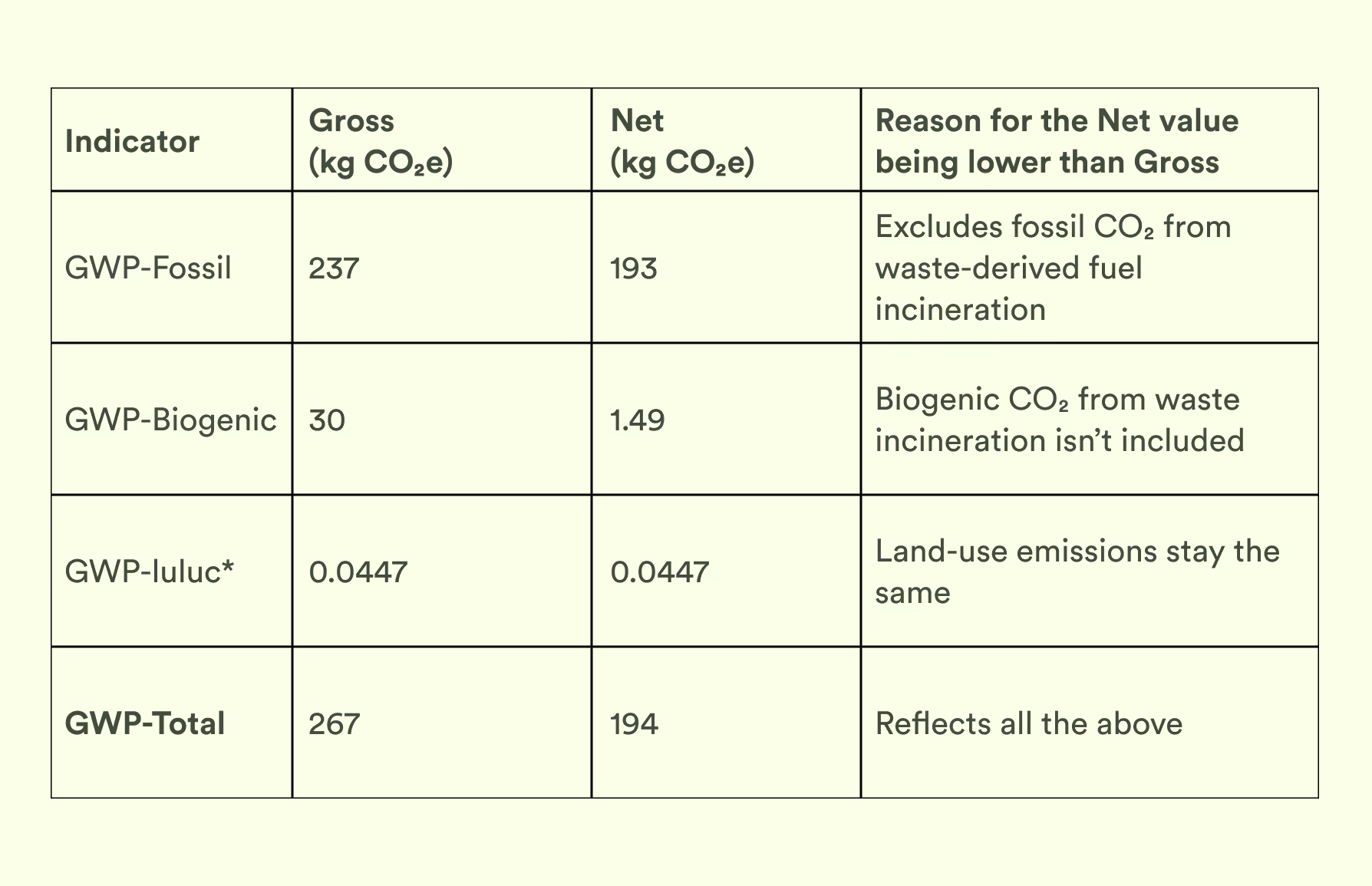
For cement and concrete, Gross and Net GWP aren’t just two versions of the same number. They reflect different accounting choices, especially how biogenic carbon and waste fuels are treated.
Let’s bring it to life with an actual EPD for a common cement type, created using the Emidat EPD Platform.